
Year 1 Curriculum
Year 1 have lots of fun learning inside and outside the classroom.
We go to the woods every fortnight for a picnic lunch and then enjoy an afternoon working in the woodland. We love to work creatively, physically and imaginatively across the curriculum and make learning as practical and interactive as possible.
We also enjoy making good use of our local area and are often "out and about" around the village.

|
Year Overview Year 1 WS Version (1) | [pdf 567KB] |

|
Continuous Provision in Y1
Continuous provision is a pedagogical approach that provides children with daily access to consistent and engaging resources and learning opportunities - enabling them to explore, learn, and develop independence in a safe and familiar environment.
At Chalford Hill we have chosen to use Continuous Provision throughout EYFS and into Year 1 because we believe it is developmentally appropriate practice for children of this age and it aligns with our vision for our children to be: curious; unique; respectful and empowered:
Curious: Children have the freedom and creativity to find things out for themselves through experimentation, to follow their own interests and become deeply involved in their own independent learning.
Unique: Children have choice over how they practise and embed learning and skills, recognising their uniqueness; they can lead their own learning and take ownership of it.
Respectful: Children take care of the classroom resources and environment; they value the diversity of each other's learning and practise the skills required to work together collaboratively and respectfully.
Empowered: Children are confident to take risks, to make mistakes and learn from them and to persevere to solve problems.
Some of the characteristics of continuous provision at Chalford Hill include:
• Resources: High-quality resources are available to children all year. These resources are relevant, engaging, and open-ended. Children are familiar with the resources and can access them confidently and independently.
• Areas: The classroom is divided into distinct areas for children to use and include access to the outdoors where gross-motor skills can be developed alongside creativity and independence.
• Learning: Children can learn skills, practise and embed learning, make connections, and develop critical thinking and problem solving.
• Independence: Children can learn to make decisions and continue learning without the need for an adult or support.
• Interaction: Children can interact with each other and form relationships, building the skills needed for cooperation.
• Language: Children develop their communication and language skills through rich experiences and focused oracy activities.
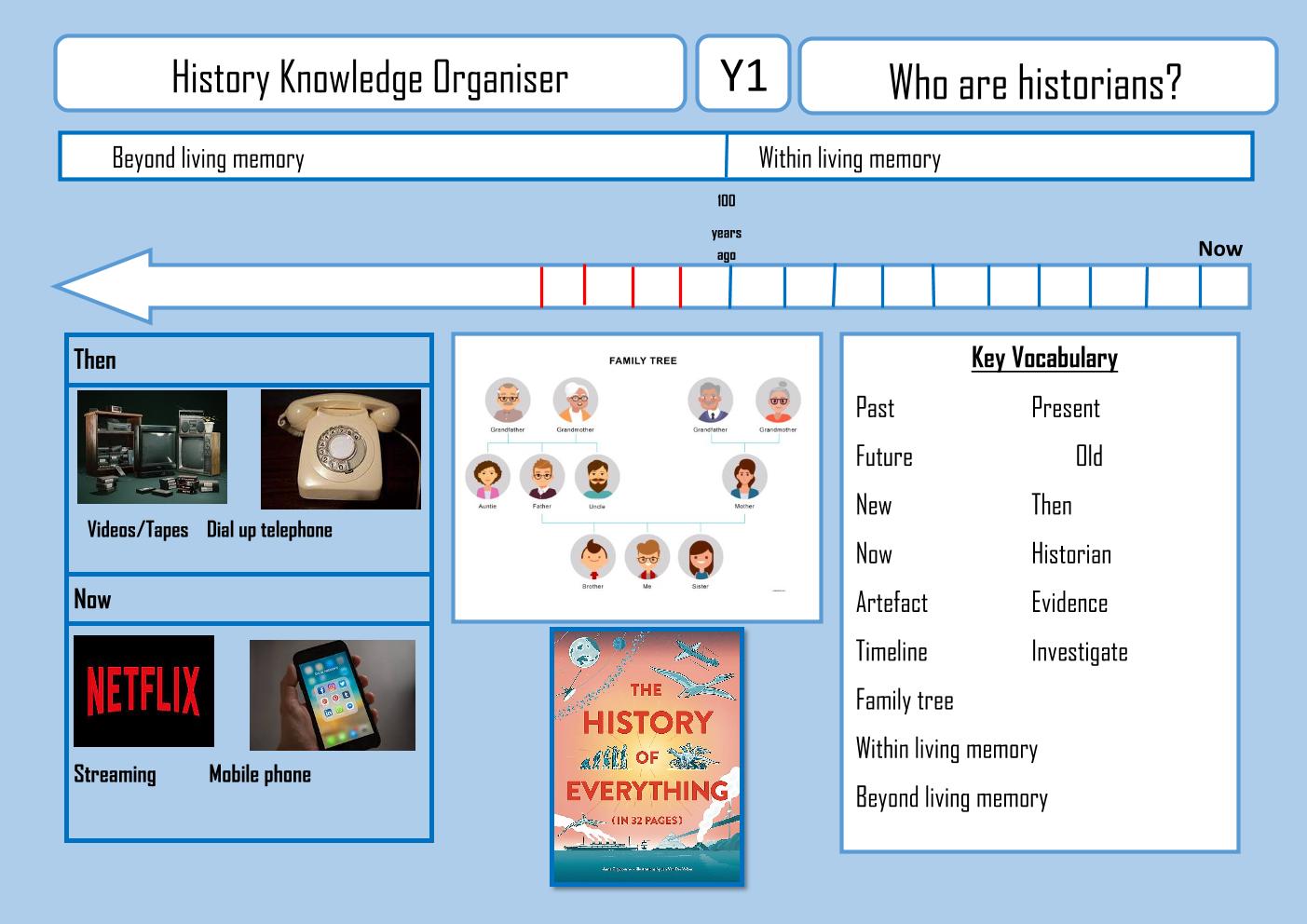
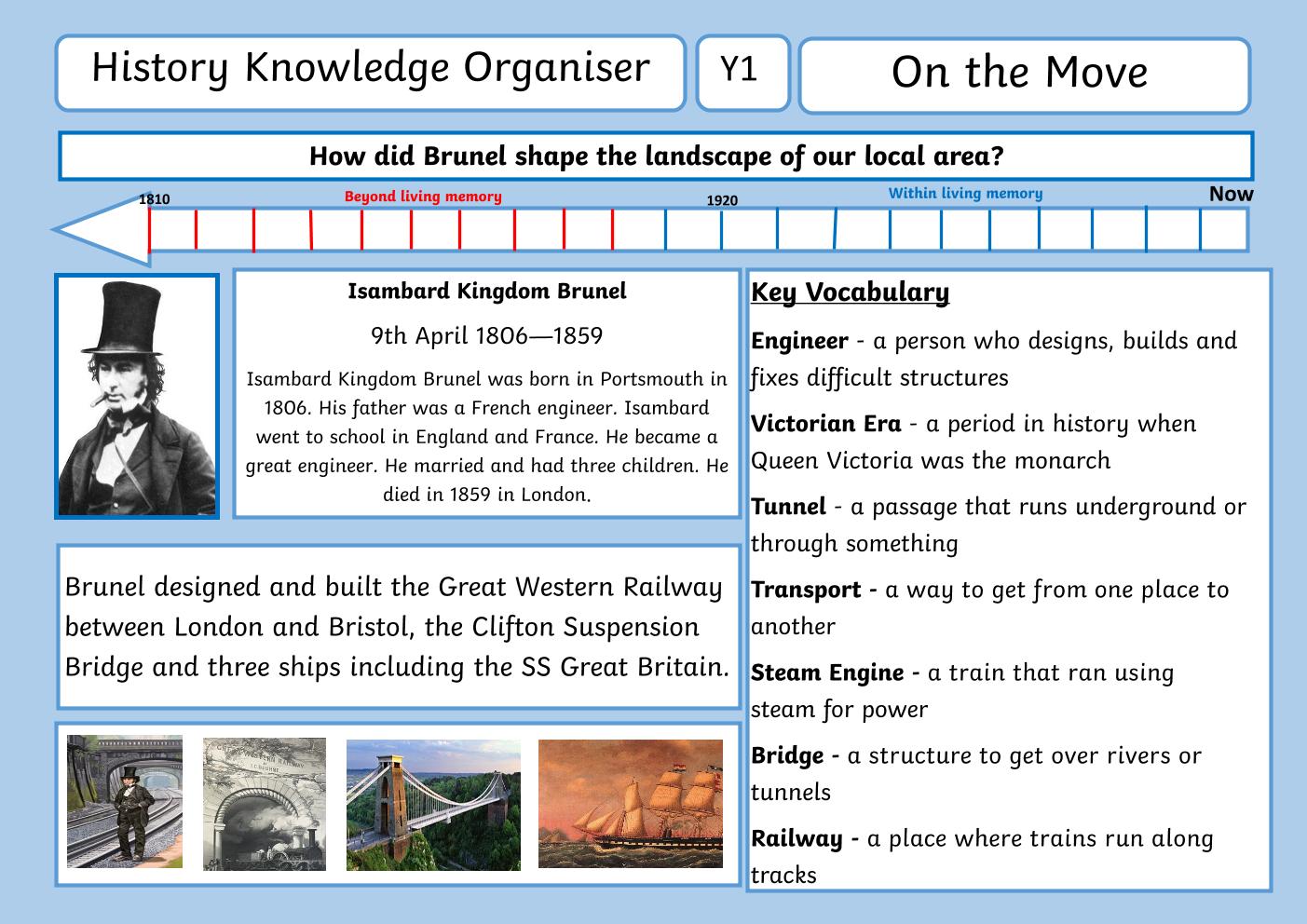
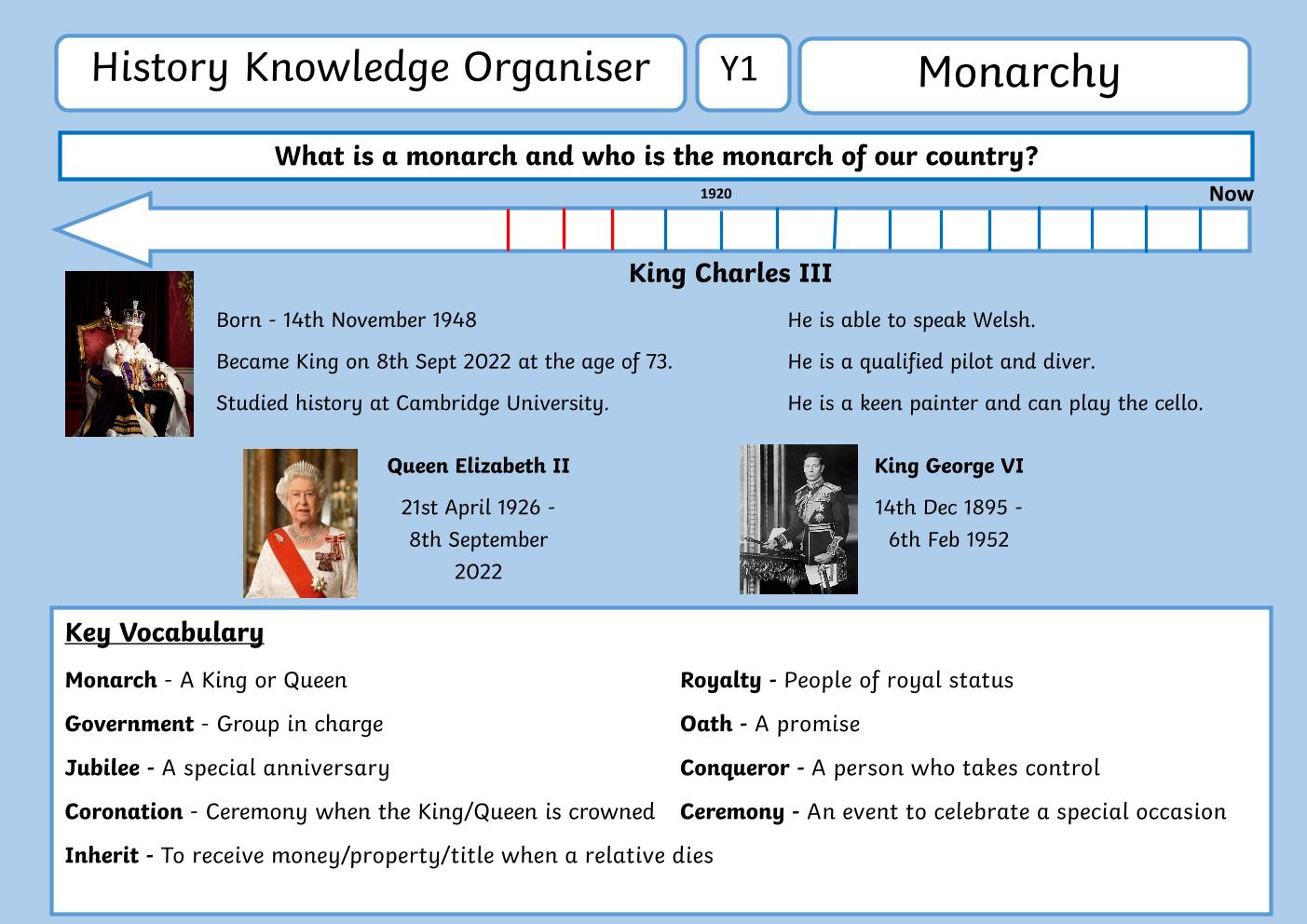
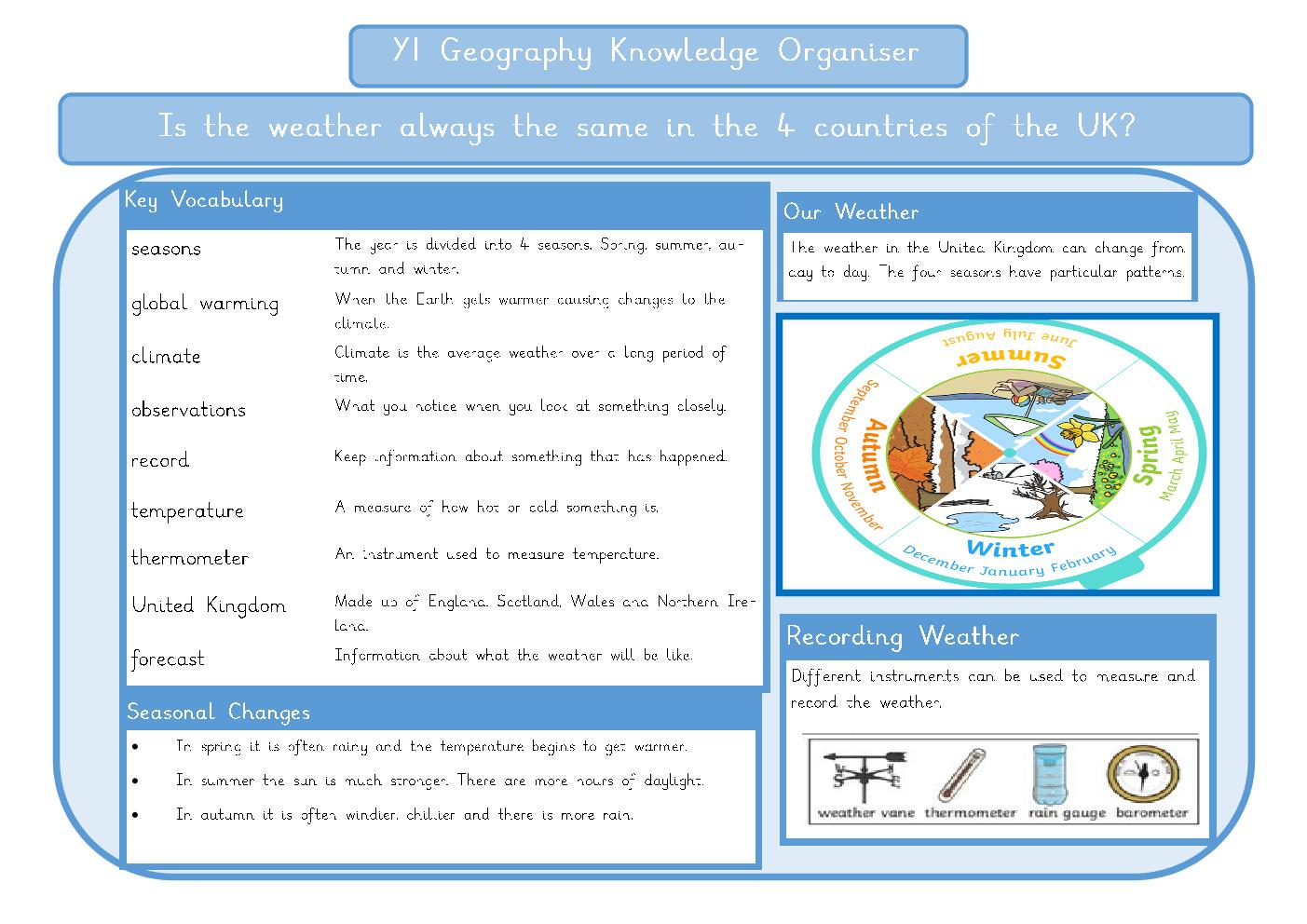

Knowledge Organiser: Where do I live and what is Stroud like?


